
Green Starz Impakt Hub Ltd, with support from the Population Council’s Climate Resilience Grant, is leading a comprehensive case study to explore the interconnections between climate resilience, health, and socio-economic vulnerabilities among adolescents and girls in Rwanda.
Although Rwanda has made remarkable progress in socio-economic development and environmental stewardship, the country remains highly vulnerable to the effects of climate change—including altered rainfall patterns, extreme weather events, floods, landslides, and environmental degradation. These shifts have profound impacts on health, well-being, and the future prospects of young people, particularly adolescents and girls, who are at the center of these challenges.
This case study focuses on Gakenke and Karongi districts in the Western and Northern Provinces. Using a mixed-methods approach, it will systematically document the lived experiences of adolescents and girls, assess how climate change influences their health, education, and livelihoods, and highlight the resilience strategies they use to cope.
The findings will provide an evidence-based analysis to inform policies, strengthen community resilience, and support programs that safeguard the rights and opportunities of adolescents and girls in Rwanda.
Project Objectives & Strategies
This case study aimed to generate evidence on how climate change impacts the health, education, and socio-economic well-being of adolescents and girls in Rwanda, while identifying effective pathways to strengthen resilience.
Objectives of project
- Assess the socio-economic impacts of climate change on adolescents and girls, focusing on livelihoods, access to resources, and vulnerability to poverty.
- Examine how climate change affects sexual and reproductive health and rights (SRHR), including access to essential services and information.
- Evaluate the impact of climate change on health outcomes, including maternal health, mental health, and climate-related diseases.
- Investigate how climate events disrupt education through school closures, attendance issues, and infrastructure damage.
- Identify resilience strategies adolescents and girls use to cope with climate shocks and stressors.
- Analyze policy gaps and propose recommendations for gender-responsive climate resilience frameworks.
-
Provide evidence-based recommendations to strengthen health, education, and socio-economic resilience for adolescents and girls.
Strategies to Achieve Them
To achieve these objectives, Green Starz Impakt Hub Ltd is applying a mixed-methods approach that brings together evidence and lived experiences:
- Quantitative Research: Surveys with 200 adolescents and girls to measure the scope of climate impacts on health, education, and livelihoods.
- Qualitative Research: Focus Group Discussions (FGDs) and Key Informant Interviews (KIIs) with adolescents, parents, community leaders, service providers, and policy stakeholders.
- Literature Review: Analysis of existing reports, policies, and frameworks on climate resilience and gender in Rwanda.
- Community Engagement: Working closely with local leaders and institutions in Karongi and Gakenke to ensure inclusivity and representation.
- Participatory Methods: Ensuring adolescents and girls’ voices remain central to the findings, highlighting their perspectives, coping mechanisms, and innovative ideas.
Through these strategies, the project not only documents vulnerabilities but also amplifies the resilience and leadership of adolescents and girls in shaping climate action.
Our mixed methods data collection breakdown
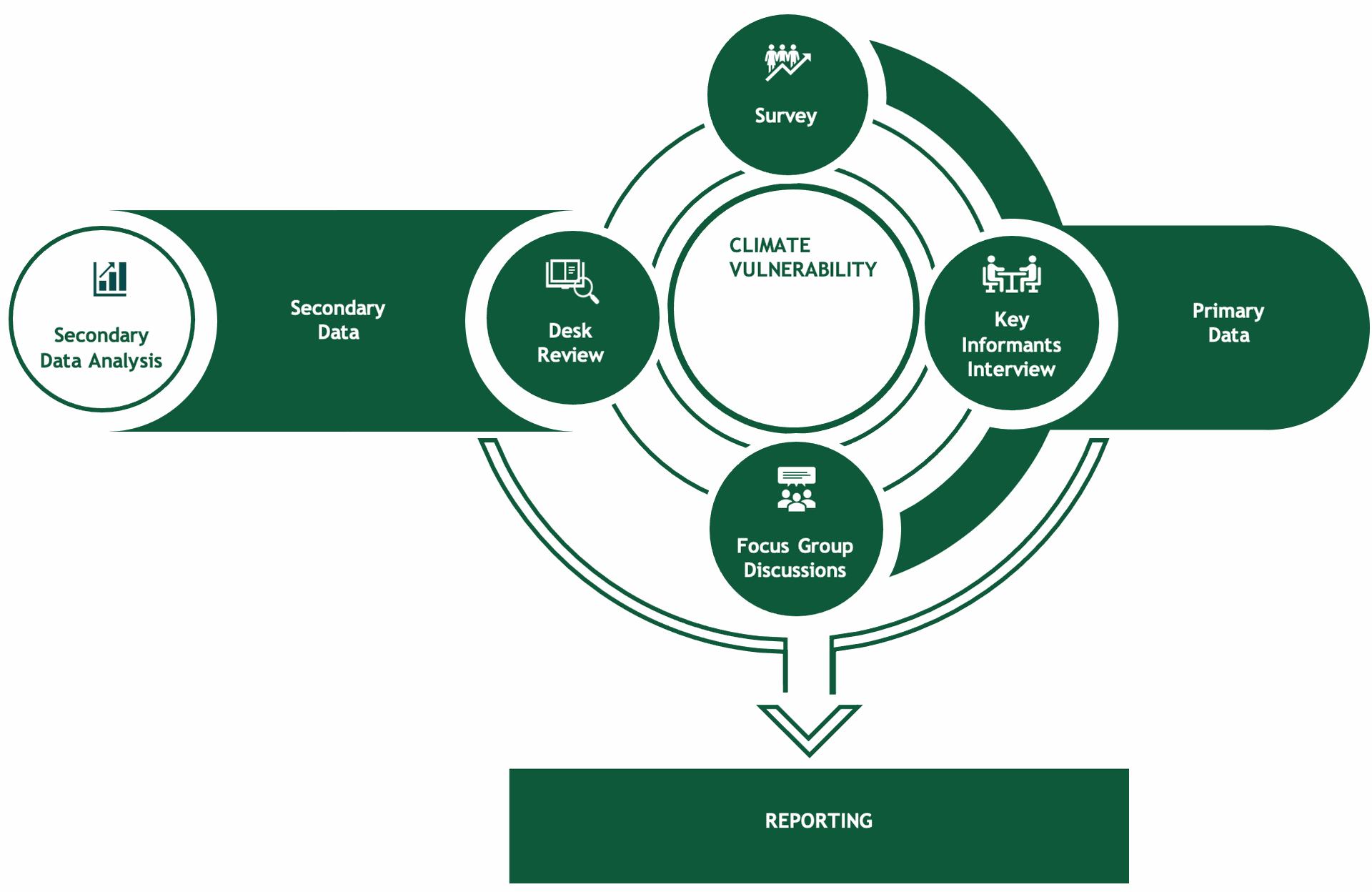
Our mixed methods data collection breakdown
Project Impact
Climate change is not only an environmental challenge - it is a human challenge, with profound effects on health, education, and livelihoods. In Rwanda, adolescents and girls are among the most vulnerable, as they often bear the greatest burden of disrupted schooling, limited access to healthcare, and increased household responsibilities during climate crises.
Through this project, Green Starz Impakt Hub Ltd was working to:
- Give voice to adolescents and girls by documenting their lived experiences and resilience strategies in the face of floods, landslides, and droughts.
- Highlight the hidden costs of climate change on health, especially in relation to maternal health, mental well-being, and access to sexual and reproductive health services.
- Expose education disruptions caused by damaged infrastructure, displacement, and increased dropout risks linked to climate stress.
- Strengthen policy and community responses by providing evidence that informs inclusive, gender-sensitive climate resilience strategies.
- Empower communities by showcasing resilience practices already being used and by encouraging youth-driven solutions for adaptation.
Ultimately, this case study will bridge the gap between evidence and action, ensuring that policies and interventions better protect adolescents and girls while strengthening Rwanda’s broader fight against climate change.
Project Outcomes
The project generated evidence-based insights on how climate change affects the health, education, and socio-economic well-being of adolescents and girls in Rwanda. By documenting their lived experiences and resilience strategies, it will amplify community voices and highlight youth-led coping mechanisms.
The study will also produce knowledge products - including reports, briefs, and a short documentary - that will inform stakeholders and the wider public.
Most importantly, the findings will provide actionable recommendations to guide gender-responsive climate resilience policies and programs, while strengthening community engagement and empowering young people to actively shape adaptation strategies.